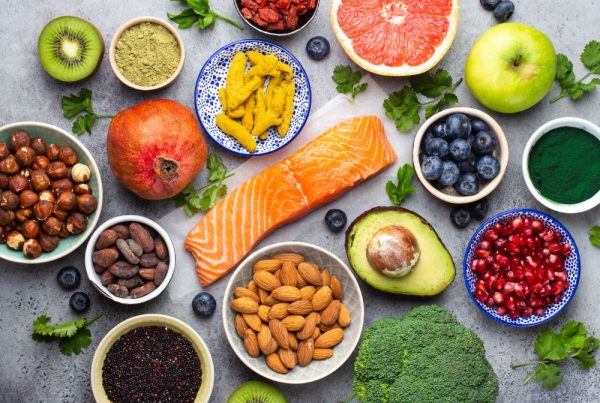
Coconut has long been a staple in tropical regions, but in recent years, it has taken the world by storm as a nutritional powerhouse. From coconut water to coconut oil, this versatile fruit offers a range of health benefits that make it worthy of its “superfood” status.
In this blog, we’ll explore 10 scientifically backed health benefits of coconut and why you should start incorporating it into your daily diet.
Nutritional Profile of Coconut
Coconut is packed with essential nutrients, making it much more than just a tropical treat. A single serving contains dietary fiber, healthy fats, vitamins like B-complex, Vitamin C, and minerals such as iron, magnesium, and potassium. Unlike most fruits, coconuts are rich in medium-chain triglycerides (MCTs), a type of fat that has numerous health benefits.
1. Rich Source of Healthy Fats
One of the most significant health benefits of coconut is its high content of medium-chain triglycerides (MCTs). These MCTs are quickly metabolized by the liver and used as an instant energy source. Unlike long-chain fatty acids, MCTs are less likely to be stored as fat, making them a healthier option for those looking to manage their weight or boost their energy levels.
2. Boosts Heart Health
Coconut has been shown to improve heart health by increasing HDL (the “good” cholesterol) and reducing LDL (the “bad” cholesterol) levels. The lauric acid in coconut helps in maintaining healthy cholesterol levels, thereby supporting heart health. Regular consumption of coconut in its various forms has been linked to a reduced risk of cardiovascular disease.
3. Improves Digestive Health
Coconut is rich in dietary fiber, which is essential for a healthy digestive system. Eating coconut can aid in digestion by preventing constipation and promoting regular bowel movements. The fiber content also feeds good gut bacteria, contributing to a balanced microbiome, which plays a crucial role in overall health.
4. Enhances Skin Health
Coconut oil is widely used for its moisturizing properties and its ability to treat skin conditions such as eczema and psoriasis. It’s rich in antioxidants and has anti-inflammatory properties, making it an effective natural remedy for a variety of skin issues. Whether applied topically or consumed, coconut can contribute to healthier, glowing skin.
5. Promotes Hair Health
Coconut oil isn’t just great for your skin—it’s also a well-known hair treatment. Using coconut oil as a conditioner can nourish your scalp, strengthen hair, and even reduce dandruff. Its hydrating properties can prevent split ends and reduce hair breakage, promoting healthy, shiny hair.
6. Supports Immune System Function
The antibacterial, antifungal, and antiviral properties of coconut come from its high concentration of lauric acid and caprylic acid. These compounds are effective at combating harmful pathogens, boosting the immune system, and reducing the risk of infections. Coconut can act as a natural defense against common illnesses.
7. Improves Brain Function
The MCTs found in coconut may have significant benefits for brain function. Some studies suggest that MCTs can provide an alternative energy source for the brain, potentially improving cognitive performance and memory. This has led researchers to explore the use of coconut oil in managing conditions like Alzheimer’s disease.
8. Supports Weight Loss
Coconut’s MCTs are also linked to weight loss. These healthy fats boost metabolism and increase energy expenditure, helping you burn more calories throughout the day. Additionally, the fats in coconut can make you feel fuller for longer, reducing overall calorie intake.
9. Maintains Blood Sugar Levels
For those with diabetes or anyone looking to maintain stable blood sugar levels, coconut can be a valuable addition to the diet. Its low glycemic index means it doesn’t cause a rapid spike in blood sugar, unlike other carbohydrates. The healthy fats and fiber in coconut help slow down digestion, keeping blood sugar levels steady.
10. Reduces Inflammation
Coconut contains powerful antioxidants, which help to reduce inflammation in the body. Chronic inflammation is linked to numerous diseases, including heart disease, arthritis, and even cancer. By reducing oxidative stress and inflammation, regular consumption of coconut can contribute to better long-term health.
How to Incorporate Coconut Into Your Diet
There are countless ways to enjoy coconut and reap its health benefits. You can add coconut water to your smoothies, use coconut milk in curries and soups, or sprinkle shredded coconut over yogurt and oatmeal. Cooking with coconut oil is another easy way to add this superfood to your meals. However, moderation is key—since coconut is calorie-dense, it’s essential to enjoy it in appropriate portions.
Conclusion: Coconut as a Must-Have Superfood
From promoting heart health to supporting weight loss, the health benefits of coconut are extensive. Whether you’re using coconut oil for cooking, sipping coconut water, or adding shredded coconut to your favorite recipes, this tropical fruit can improve your health in multiple ways. Make coconut a regular part of your diet and experience the powerful health benefits for yourself.
Coconut is not just a trendy food—it’s a superfood that can enhance your overall well-being!