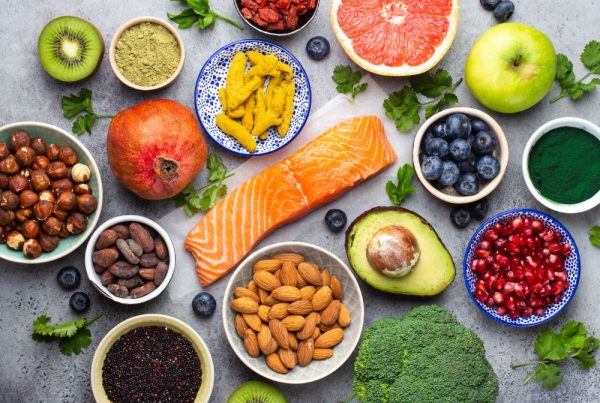
Salmon is a delicious and versatile fish that can be prepared in many ways, making it a favorite among chefs and home cooks alike. Whether grilled, baked, or pan-seared, salmon delivers not only a delightful culinary experience but also a wide range of health benefits. Rich in essential nutrients like omega-3 fatty acids, protein, and vitamins, salmon supports heart health, brain function, and overall well-being.
Let’s dive into the remarkable advantages of adding salmon to your diet and how it can contribute to your long-term health.
Why Salmon is a Nutritional Powerhouse
Salmon is packed with high-quality protein, healthy fats, and an array of vitamins and minerals that are essential for maintaining good health. Here are the key nutrients that make salmon a superfood:
- High-Quality Protein: Protein is essential for building and repairing tissues, and salmon is an excellent source of complete protein. This nutrient is not only important for muscle growth but also for maintaining healthy skin, hair, and nails.
- Omega-3 Fatty Acids: Salmon is one of the best natural sources of omega-3 fatty acids, particularly EPA and DHA. These fatty acids help reduce inflammation, improve heart health, and support brain function.
- Vitamins and Minerals: Salmon is rich in vitamins B12 and D, which boost energy levels and promote strong bones. It also contains selenium, an antioxidant that protects cells from damage, and potassium, which helps regulate blood pressure.
The Heart Health Benefits of Salmon
One of the most well-known benefits of salmon is its positive impact on heart health. The omega-3 fatty acids found in salmon are crucial for maintaining cardiovascular health. They help reduce inflammation, lower blood pressure, and decrease the risk of heart disease.
- Lowering Blood Pressure: Omega-3 fatty acids in salmon can reduce blood pressure, which is a major risk factor for heart attacks and strokes.
- Reducing Triglycerides: Regular consumption of salmon has been shown to lower triglyceride levels, further decreasing the risk of heart disease.
- Preventing Blood Clots: Omega-3s help prevent the formation of blood clots, ensuring smooth blood flow and reducing the likelihood of strokes and heart attacks.
By incorporating salmon into your meals a few times a week, you can significantly improve your cardiovascular health and reduce the risk of chronic diseases.
Omega-3 Fatty Acids: The Brain-Boosting Benefits
The omega-3 fatty acids in salmon, particularly DHA, play a critical role in supporting brain health. DHA is a major structural component of brain cell membranes and is essential for communication between brain cells.
- Improving Cognitive Function: Adequate intake of DHA has been linked to improved memory, learning ability, and overall cognitive performance.
- Mood Enhancement: Omega-3 fatty acids also support mental health by improving mood and reducing the symptoms of depression and anxiety.
- Preventing Cognitive Decline: Studies suggest that regular consumption of salmon can help protect against age-related cognitive decline and reduce the risk of Alzheimer’s disease.
Adding salmon to your diet not only supports your brain in the present but also helps maintain cognitive function as you age.
Anti-Inflammatory Properties of Salmon
Chronic inflammation is a key driver of many serious health conditions, including heart disease, diabetes, and arthritis. The omega-3 fatty acids in salmon have powerful anti-inflammatory properties that help reduce inflammation in the body.
- Reducing Arthritis Symptoms: The anti-inflammatory effects of salmon can help alleviate the symptoms of arthritis and other inflammatory disorders.
- Protecting Blood Vessels: By reducing inflammation, omega-3s help protect the blood vessels from damage, ensuring better heart health and circulation.
Incorporating salmon into your diet can help keep inflammation in check, reducing the risk of chronic diseases and improving your overall health.
How to Incorporate Salmon Into Your Diet
Salmon is an incredibly versatile fish that can be prepared in numerous ways, making it easy to incorporate into your weekly meals. Here are a few ideas:
- Grilled Salmon: Grilling salmon brings out its natural flavors while keeping it tender and moist. Pair it with a fresh salad or roasted vegetables for a nutritious meal.
- Baked Salmon: Baking salmon with herbs and lemon is a simple and healthy way to enjoy this fish. Serve it with quinoa or brown rice for a balanced dish.
- Smoked Salmon: Smoked salmon makes a great addition to salads, sandwiches, or breakfast dishes like scrambled eggs or avocado toast.
- Salmon Tacos: For a fun twist, try making salmon tacos with a tangy slaw and spicy aioli. It’s a delicious and healthy alternative to traditional tacos.
Whether you prefer it grilled, baked, or smoked, incorporating salmon into your diet can be both delicious and beneficial to your health.
Frequently Asked Questions (FAQs) About Salmon
1. How often should I eat salmon?
It’s recommended to eat salmon or other fatty fish at least 2-3 times per week to get the full health benefits, particularly the omega-3 fatty acids.
2. Is wild-caught or farmed salmon better?
Wild-caught salmon is generally considered healthier because it has higher levels of omega-3s and fewer contaminants than farmed salmon. However, both options provide health benefits.
3. Can eating salmon help with weight loss?
Yes, salmon is high in protein and healthy fats, which can help promote feelings of fullness and reduce overeating, making it a great option for weight loss.
4. Is salmon safe for pregnant women?
Yes, salmon is safe for pregnant women and provides essential nutrients like omega-3s, which are important for fetal brain development. However, it’s best to choose wild-caught, low-mercury options.
5. What are the best ways to cook salmon?
Salmon can be cooked in various ways, including grilling, baking, poaching, or pan-searing. Each method preserves its nutrients and delicious flavor. Experiment to find your favorite!
Conclusion
Salmon is not only a delicious fish but also a nutrient-dense powerhouse that offers numerous health benefits. From promoting heart health to boosting brain function and reducing inflammation, adding salmon to your diet can support overall well-being. With its versatility in the kitchen, it’s easy to incorporate salmon into your meals and enjoy its health advantages. So next time you’re planning a meal, consider adding this superfood to your plate for a healthy and satisfying option.